How to Choose an Industrial Dust Collector: 7 Parameters for an Accurate Quote
Choosing an industrial dust collector should begin with the process conditions, not with a model number. Two factories can require the same airflow but need completely different collectors because their dust loading, particle size, temperature, moisture, operating hours or safety risks are different.
This selection guide explains the information a manufacturer needs before recommending a baghouse, cartridge collector, cyclone separator or wet collection system. Providing these details at the inquiry stage helps reduce sizing errors and makes the technical quotation easier to compare.
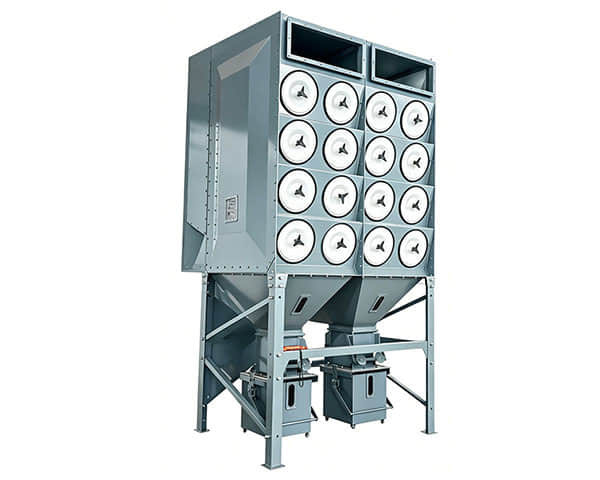
Industrial Dust Collector Selection Checklist
| Parameter | Information to provide | Why it matters |
|---|---|---|
| 1. Process | Grinding, welding, cutting, crushing, conveying, mixing, boiler or another source | Defines the capture method and likely contaminant |
| 2. Airflow | Required m3/h or CFM, number of pickup points and hood dimensions | Influences collector size, duct velocity and fan selection |
| 3. Dust properties | Material, particle size, concentration, moisture, abrasiveness and stickiness | Influences collector type, filter media and pre-separation |
| 4. Temperature | Normal and maximum gas temperature, humidity and condensation risk | Influences filter material, seals and system arrangement |
| 5. Safety | Combustibility, toxicity, sparks and applicable local requirements | Determines whether a specialist hazard review is required |
| 6. Duty cycle | Hours per day, continuous or intermittent operation and dust loading | Influences cleaning system and discharge arrangement |
| 7. Installation | Duct layout, available space, indoor or outdoor location and power supply | Influences static pressure, footprint and equipment configuration |
1. Identify the Dust-Generating Process
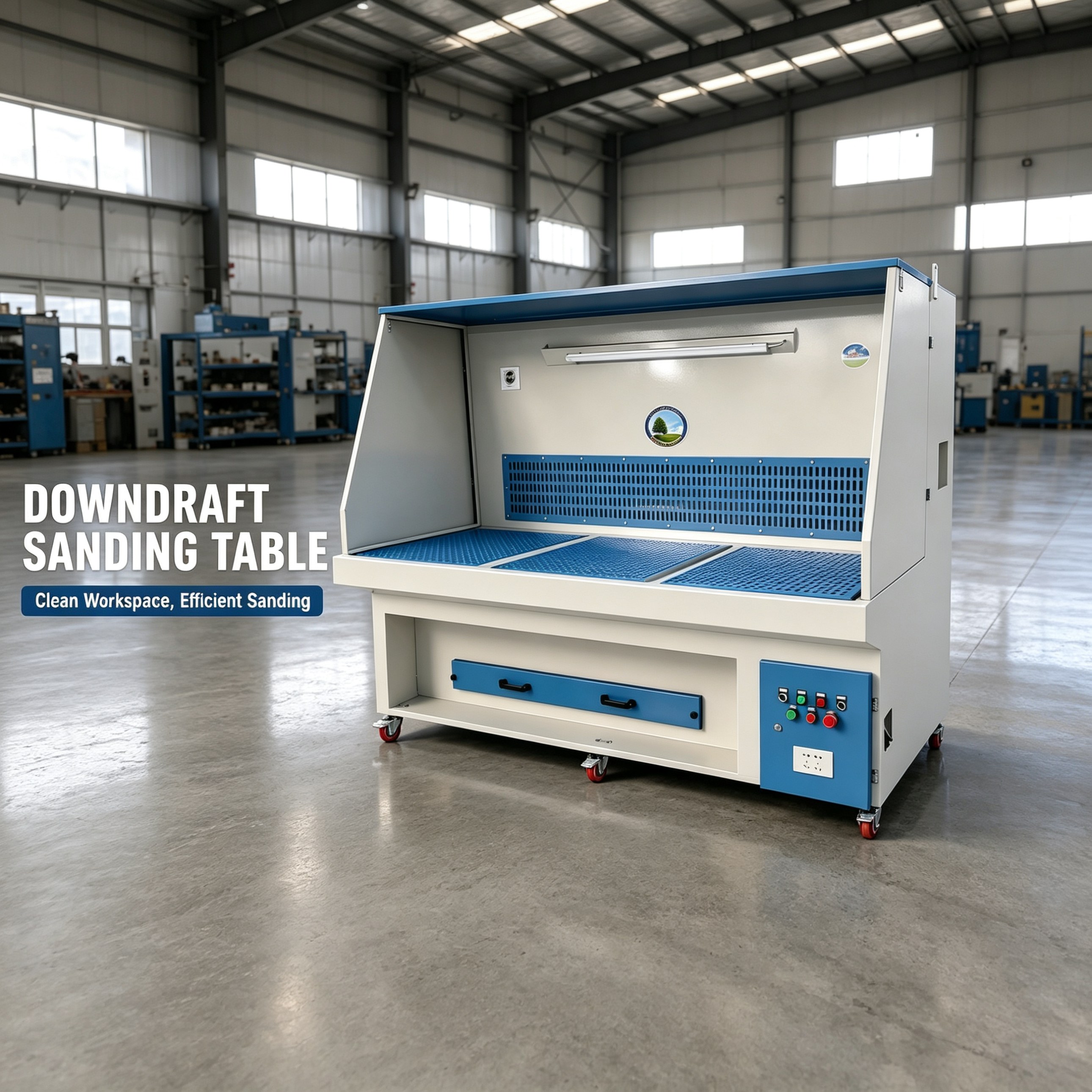
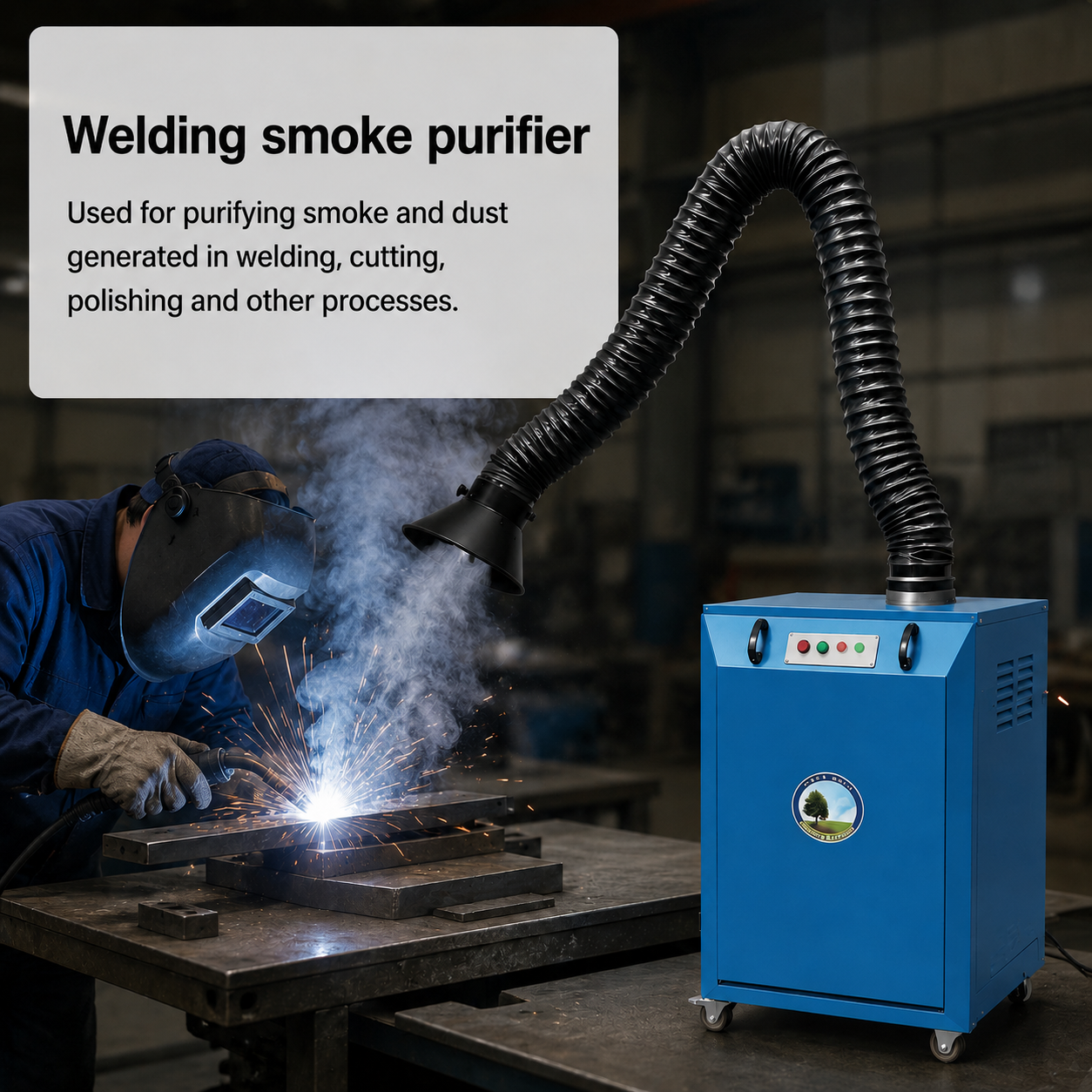
Start by describing exactly where the contaminant is generated. Welding fume, grinding dust, sawdust, fly ash and chemical powder behave differently. The process description also helps determine whether the source needs a local extraction arm, enclosure, downdraft table, machine connection or central duct system.
Useful inquiry details include the production machine, material being processed, number of pickup points and whether all points operate simultaneously. Photographs and a simple layout drawing can prevent misunderstandings during the first technical review.
2. Confirm Airflow and Capture Requirements
Airflow is one of the most important inputs, but it should not be guessed from motor power alone. The required airflow depends on the hood or enclosure, opening area, contaminant release direction, number of operating points and the velocity needed to move particles through the duct.
If airflow has already been calculated, provide it in m3/h or CFM. If it is not available, send hood dimensions, duct diameter, machine openings and the number of extraction points. The final fan selection must also account for resistance through the ductwork, fittings, collector and filters.
3. Describe the Dust Properties
The same airflow can carry light welding fume, coarse wood chips or abrasive mineral dust. A useful dust description should include the material, approximate particle size, concentration, moisture content, bulk density, abrasiveness and whether the dust becomes sticky.
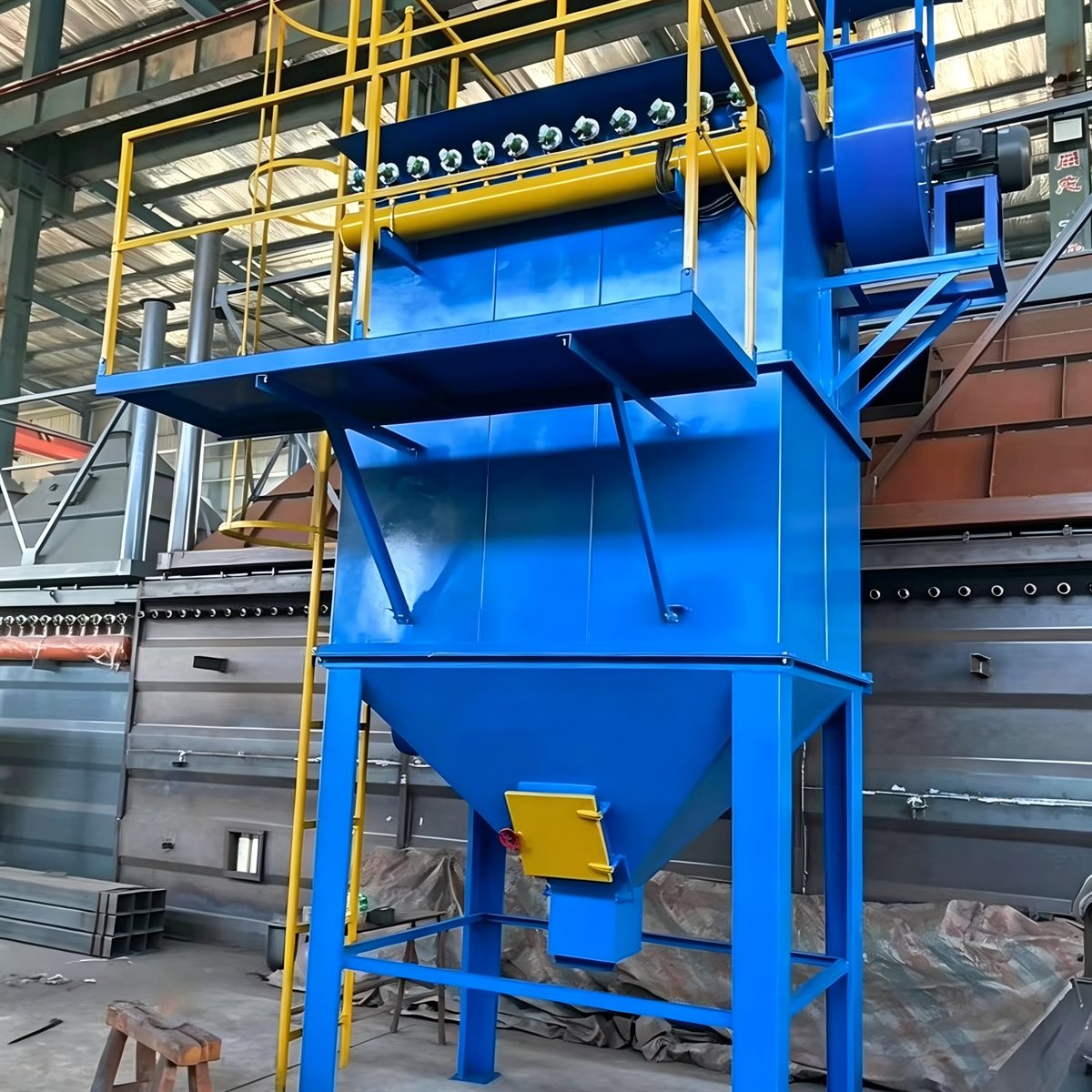
Coarse, heavy particles may benefit from a cyclone dust collector as a pre-separator. Fine, dry dust and fume at moderate loading may suit a compact cartridge dust collector. Heavy dust loading, continuous production or applications needing different filter bag materials may point toward a baghouse dust collector.
4. Check Temperature, Humidity and Condensation
Provide both the normal operating temperature and the highest possible temperature at the collector inlet. Short temperature peaks can be as important as normal operation. Humidity, steam, oil mist and condensation risk should also be disclosed because they can affect dust behavior and filter performance.
Filter media must be selected for the actual temperature and chemical environment. Hot boiler gas, for example, requires a different technical review from room-temperature grinding dust. Do not select filter material from temperature alone; chemical exposure, moisture and cleaning method also matter.
5. Evaluate Combustible or Hazardous Dust
Some metal, wood, food, plastic and chemical dusts can create fire or explosion hazards under particular conditions. If the material is combustible, reactive, toxic or spark-producing, state this before equipment selection. A standard collector should not be assumed suitable for a hazardous application.
Combustible dust applications require a process-specific hazard assessment and compliance with the rules applicable in the installation country. OSHA provides additional information about combustible dust hazards. Final safety measures should be reviewed by qualified specialists familiar with the material and local requirements.
6. Define Operating Hours and Dust Discharge
Tell the manufacturer whether the process runs occasionally, one shift or continuously. Long operating hours and high dust loading may require automatic pulse cleaning and a continuous discharge device rather than a small manual collection drawer.
Also explain what should happen to the collected dust. It may be discharged into a bin, drum, rotary valve, screw conveyor or customer-supplied handling system. If the material will be recovered, reused or handled as hazardous waste, that requirement should be included in the design discussion.
7. Provide the Installation Layout
A collector cannot be selected in isolation from the duct and fan. Send the approximate duct length, diameter, number of bends, elevation changes and available installation space. Confirm whether the collector will be indoors or outdoors and provide the local voltage, frequency and phase.
Access for filter replacement, hopper discharge and routine inspection should be planned before fabrication. A compact collector can still be difficult to maintain if doors, ladders or dust containers cannot be reached after installation.
Baghouse vs Cartridge vs Cyclone vs Wet Scrubber
| Collector type | Common selection direction | Important limitations to review |
|---|---|---|
| Baghouse | Large airflow, heavy dust loading, continuous industrial processes and applications requiring selected filter bag materials | Footprint, filter material, air-to-cloth ratio, moisture and dust discharge |
| Cartridge collector | Fine, dry dust or fume where a compact footprint and pleated filter area are useful | Heavy, sticky, fibrous or abrasive dust may require another approach |
| Cyclone separator | Coarse or heavy particles and pre-separation before a final filter | Fine-particle outlet requirements may require a downstream filter stage |
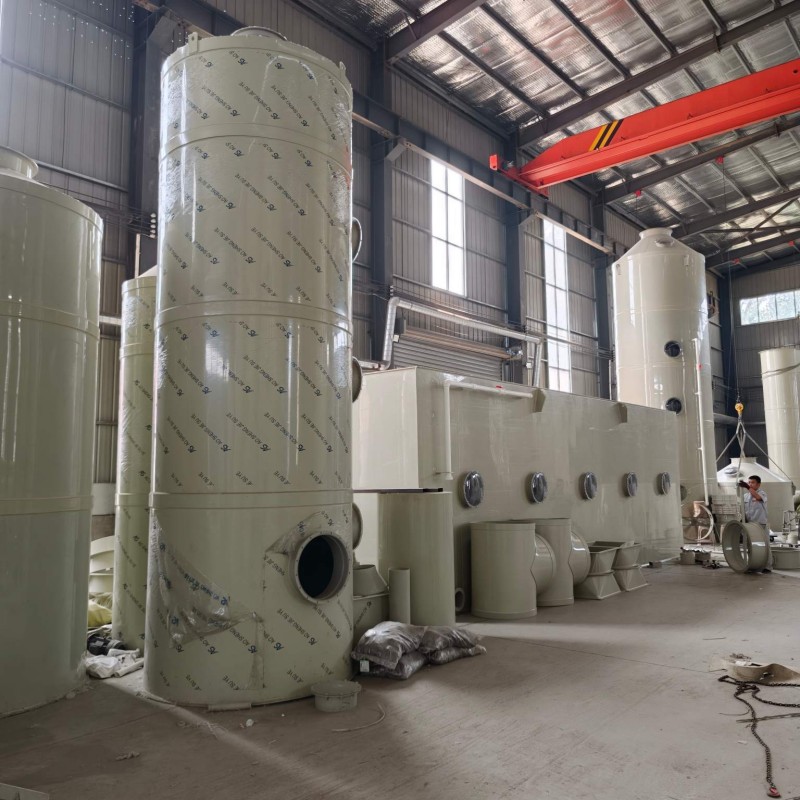
| Wet scrubber | Selected applications involving soluble gases, hot or humid streams, sticky contaminants or combined gas and particulate control | Corrosion, wastewater, mist removal, winter conditions and pollutant chemistry |
Information to Send for a Faster Dust Collector Quote
- Industry, process and material being handled
- Required airflow in m3/h or CFM
- Dust name, particle size and estimated concentration
- Normal and maximum inlet temperature
- Moisture, corrosiveness, abrasiveness and combustibility
- Operating hours and required outlet emission level
- Duct sketch, installation space and power supply
- Installation country, quantity and required delivery schedule
Industrial Dust Collector FAQ
Can a dust collector be selected from airflow alone?
No. Airflow is essential, but dust properties, temperature, system resistance, operating hours, safety conditions and the required outlet performance must also be reviewed.
When should a cyclone be installed before a filter collector?
A cyclone can be considered when the air stream contains a significant amount of coarse or heavy material. Removing part of this loading before the baghouse or cartridge collector may reduce the burden on the final filter stage. The suitability depends on particle characteristics and the required outlet condition.
What determines the price of an industrial dust collector?
Price depends on airflow, filter area, construction material, filter media, fan and motor, cleaning system, dust discharge, controls, safety features and installation requirements. A reliable quotation therefore needs more than a desired equipment size.
Request a Custom Selection and Quotation
Shuokang manufactures baghouse, cartridge and cyclone dust collectors as well as wet scrubbers, welding fume extractors and downdraft tables. Send the seven parameters above through the contact form for a technical review and quotation. For examples of application-based selection, see our 5000 m3/h shot blasting booth case and coal boiler dust collector case.