Industrial Downdraft Table Selection Guide for Grinding, Sanding and Welding
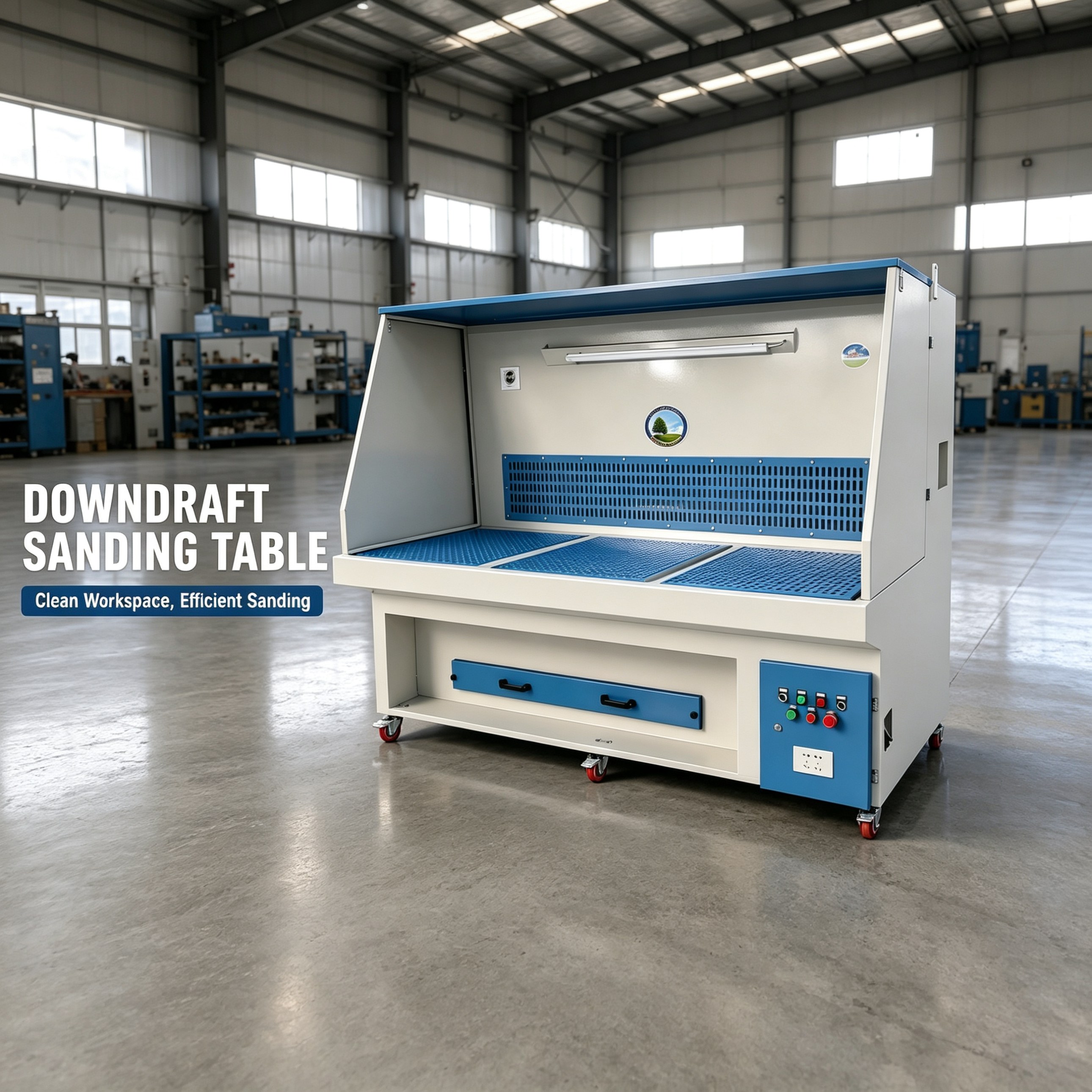
An industrial downdraft table combines a work surface with local exhaust ventilation. Dust or fume is drawn through openings in the table and away from the operator's breathing zone. The correct table must be selected for the actual process, material, workpiece size and hazard conditions.
A table designed for dry wood sanding should not automatically be used for metal grinding, welding sparks or combustible metal dust. This guide explains the information a buyer should provide before requesting a downdraft table quotation.
Industrial Downdraft Table Selection Checklist
| Selection input | Information to provide | Why it matters |
|---|---|---|
| Process | Grinding, sanding, polishing, deburring, welding, cutting or mixing | Defines contaminant direction, heat and spark conditions |
| Material | Metal, wood, stone, composite, plastic or powder | Influences filtration, abrasion and hazard review |
| Workpiece | Maximum length, width, height and weight | Determines work surface and load requirement |
| Dust or fume | Particle size, loading, moisture, toxicity and combustibility | Influences dry or wet collection and filter choice |
| Capture direction | Dust falls downward, fume rises or contaminant moves sideways | Helps select downdraft, backdraft or combined capture |
| Duty cycle | Hours per shift and number of operators | Influences airflow, filter loading and cleaning |
| Air discharge | Recirculated indoors, exhausted outdoors or connected to a central collector | Influences filter stages and duct layout |
| Site | Available space, voltage, compressed air and installation country | Influences table configuration and controls |
How Does a Downdraft Table Work?
A fan or central extraction system creates negative pressure below a perforated or slotted work surface. Air moves from the workshop, across the workpiece and into the table openings, carrying airborne contaminants toward the filtration or duct system. Heavier particles can fall into a drawer or hopper, while finer material is captured by the selected filters.
Performance depends on the entire airflow path: open table area, side or rear panels, workpiece obstruction, internal plenum, filters, fan and exhaust. A motor rating alone does not show whether the table will capture dust at the working position.
1. Match the Table to the Process
Grinding and deburring
Grinding can generate directional sparks, coarse particles and fine airborne dust. The table should be reviewed for spark entry, abrasion, workpiece impact, filter protection and dust disposal. A rear extraction panel can help when the wheel throws material horizontally instead of downward.
Sanding and polishing
Sanding may create a broad dust cloud over the work surface. Table size, open area and even airflow distribution become important. Wood, composite, stone and painted surfaces produce different dusts, so the material and any coating must be identified before filter selection.
Welding
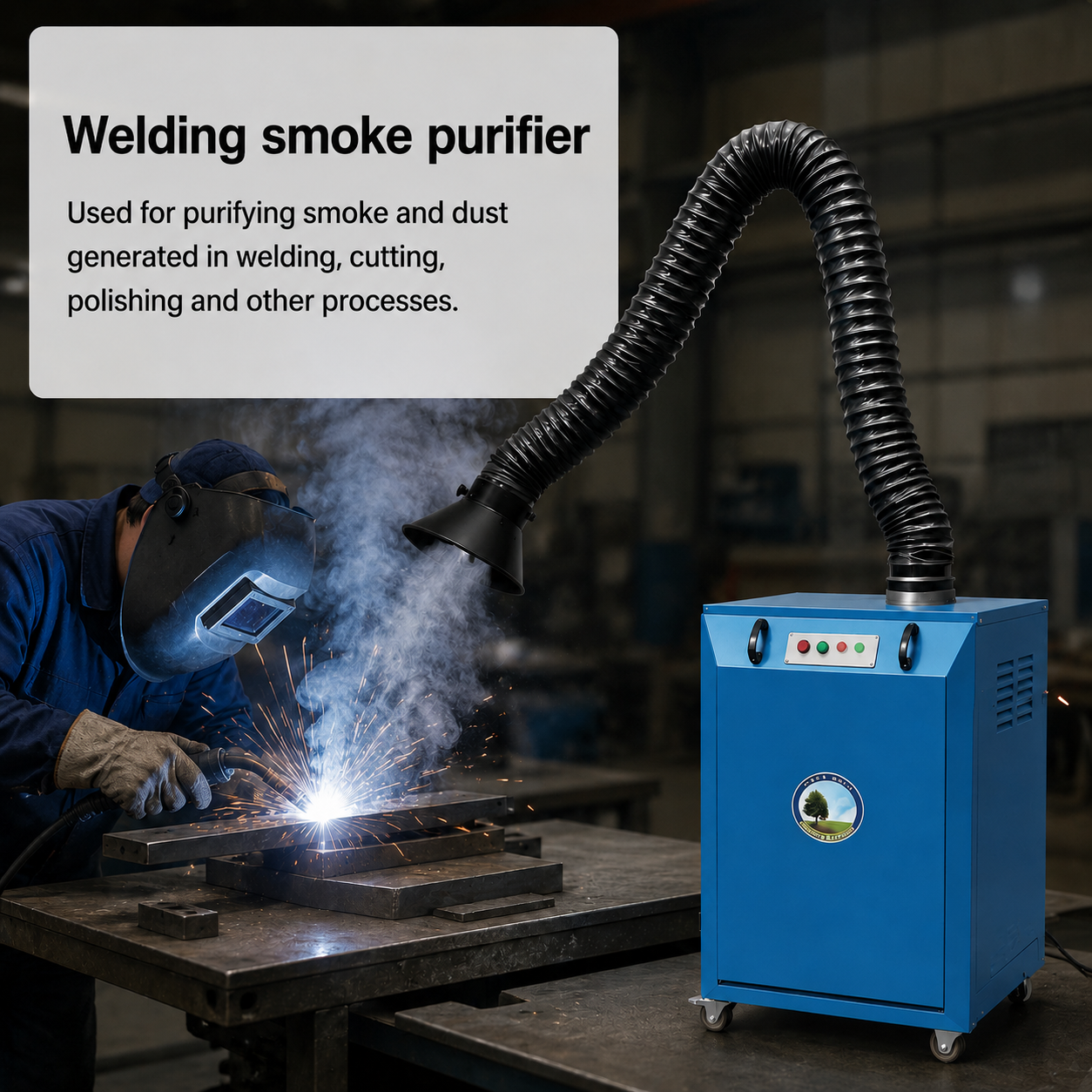
Welding fume tends to rise. A table with a backdraft panel or combined backdraft and downdraft arrangement may capture a rising plume more effectively than downward extraction alone. For work that moves around large parts, a welding fume extractor with a movable arm may be a better capture direction.
Powder weighing or mixing
A partial enclosure with rear or downward extraction can help contain dust released during pouring, weighing or mixing. Powder toxicity, cross-contamination, cleanability and whether collected material can be returned to the process must be reviewed.
2. Choose the Correct Work Surface Size
The table should support the workpiece without blocking the active extraction area. Provide maximum part dimensions, weight, tool movement and whether the operator needs access from one side or several sides. Oversized workpieces can extend beyond the capture zone and redirect contaminated air into the room.
A larger table is not automatically better. If the same airflow is spread over a much larger open surface, the average face velocity decreases. The supplier should match usable table area and airflow to the process instead of selecting from footprint alone.
3. Downdraft, Backdraft or Combined Capture?
| Capture configuration | Common selection direction | Questions to review |
|---|---|---|
| Downdraft | Dust and particles that fall toward the work surface | Open area, workpiece blockage and airflow distribution |
| Backdraft | Fume or dust moving horizontally or rising behind the work | Panel height, workpiece position and operator location |
| Combined | Mixed grinding, sanding and welding duties | Airflow split and whether both zones operate together |
| Partial enclosure | Processes needing improved containment from side panels and a hood | Access openings, lighting and make-up air path |
4. Self-Contained or Ducted Downdraft Table?
Self-contained table
A self-contained downdraft grinding table includes a fan and filter system inside or beside the workstation. It can reduce duct installation and may be moved when supplied with a suitable base. Each unit requires its own filter access, dust removal and electrical connection.
Ducted table
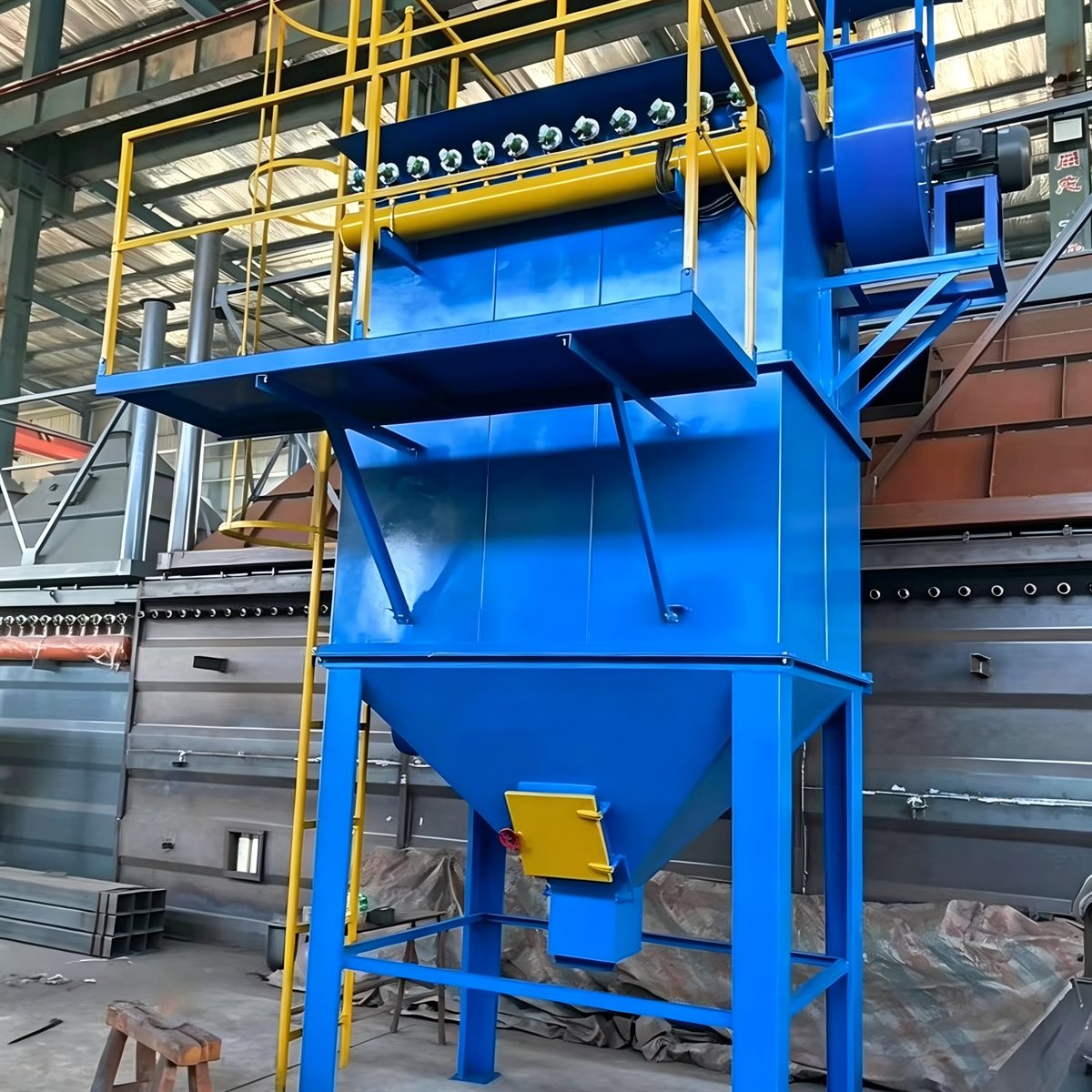
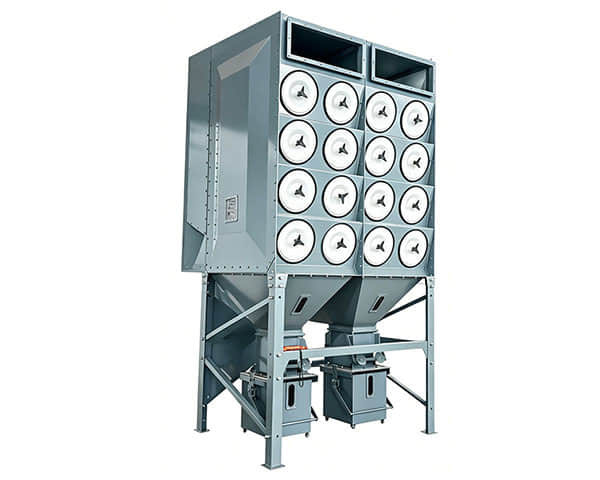
A ducted table connects to a central industrial dust collector. This can centralize filter cleaning and dust disposal for several workstations. The central fan, duct branches and controls must be sized for the number of tables that operate simultaneously.
5. Airflow and Capture Performance
Airflow should be evaluated at operating resistance, including the table plenum, filter loading, ductwork and any spark-control stages. Free-air fan volume is not the same as usable airflow through the work surface.
Cross-drafts from doors, fans or compressed-air tools can move dust away from the table. Tall or solid workpieces can also block downward airflow. A process trial, smoke visualization or industrial hygiene review may be appropriate when the contaminant is hazardous or the work geometry changes frequently.
NIOSH workplace evaluations have examined downdraft table use for grinding exposures and show why the table design, material and actual work practice must be considered together. See the NIOSH composite grinding evaluation.
6. Dry or Wet Downdraft Collection?
A dry downdraft table uses filters or connects to a dry dust collector. It may be suitable for identified dry dust when the filter media, spark control and dust disposal system match the application.
A wet downdraft table uses liquid to capture selected dusts. It may be considered for particular materials or hazard-control strategies, but it introduces water quality, sludge, corrosion, mist and disposal requirements. Wet collection should not be assumed safe for every reactive material.
Combustible metal dust, mixed materials and reactive dust require a formal hazard assessment. Do not use a dry table for aluminum, magnesium, titanium or another potentially combustible dust merely because it is sold for general metal grinding. Material compatibility and local safety requirements must be confirmed by qualified specialists.
7. Filter Selection and Air Recirculation
Filter selection depends on particle size, loading, moisture, abrasiveness, toxicity and whether the air will be returned to the workshop. A system may include a spark screen or coarse prefilter, main cartridge and optional final filter, but the stages must match the identified contaminant.
Indoor recirculation requires an exposure assessment and compliance with local rules. A filter that captures visible dust does not automatically make the air suitable for recirculation, especially when toxic metals, coatings, gases or vapors are involved.
8. Sparks, Fire and Combustible Dust
Grinding and welding can send hot particles into the table. The review should include spark direction, accumulated dust, oils or coatings on the workpiece, filter media and the method used to empty the dust drawer. A spark screen alone does not replace a fire or explosion risk assessment.
Different materials should not be mixed in one collector without reviewing chemical compatibility and combustion risk. Housekeeping, inspection and safe dust disposal remain necessary even when source capture is effective.
9. Ergonomics and Workshop Layout
Provide the preferred work height, seated or standing operation, access sides, lighting needs and maximum load. Side panels can improve containment but may limit access to long parts. Casters improve mobility but the table must remain stable during grinding or polishing.
Allow space for filter doors, dust drawers, compressed-air connections and electrical panels. Maintenance access should not be blocked after the table is placed beside walls or production equipment.
Maintenance Questions Before Purchase
- How is filter loading indicated?
- Are filters replaced, manually cleaned or pulse cleaned?
- Can the dust drawer be removed without spreading dust?
- How are sparks and coarse particles separated?
- Can the plenum and work surface be inspected and cleaned?
- What compressed-air quality and pressure are required?
- Are replacement filters and seals available?
- How is airflow checked during routine operation?
Information Needed for a Downdraft Table Quote
- Process: grinding, sanding, polishing, welding or another task
- Material, coating and contaminant safety information
- Maximum workpiece length, width, height and weight
- Number of operators and hours per shift
- Dust particle size, loading, moisture and combustibility
- Preferred downdraft, backdraft or combined capture
- Self-contained filtration or central duct connection
- Indoor recirculation or outdoor exhaust
- Voltage, frequency, compressed air and installation country
- Required table options, mobility and delivery quantity
Industrial Downdraft Table FAQ
Can one downdraft table be used for wood and metal dust?
Do not assume so. Mixing materials can create fire, contamination and filter-compatibility problems. The dust hazards and cleaning procedure must be reviewed before multiple materials share a system.
Is downdraft suitable for welding fume?
It can be useful for some workpiece positions, but welding fume rises. A backdraft panel, partial enclosure or movable extraction arm may be needed to capture the plume before it reaches the breathing zone.
What determines downdraft table price?
Price depends on work surface size, airflow and fan pressure, filtration, cleaning system, spark control, construction, lighting, controls, mobility, duct connection and required safety features.
Request a Custom Downdraft Table Proposal
Shuokang manufactures industrial downdraft tables and custom dust collection systems for grinding, sanding, polishing and selected welding applications. Send the process, material, part dimensions, duty cycle and site utilities through the contact form for a technical review and quotation. For welding-specific capture, see our welding fume extractor selection guide.